
UK Critical Minerals Supply Chain: Strategies for secure growth
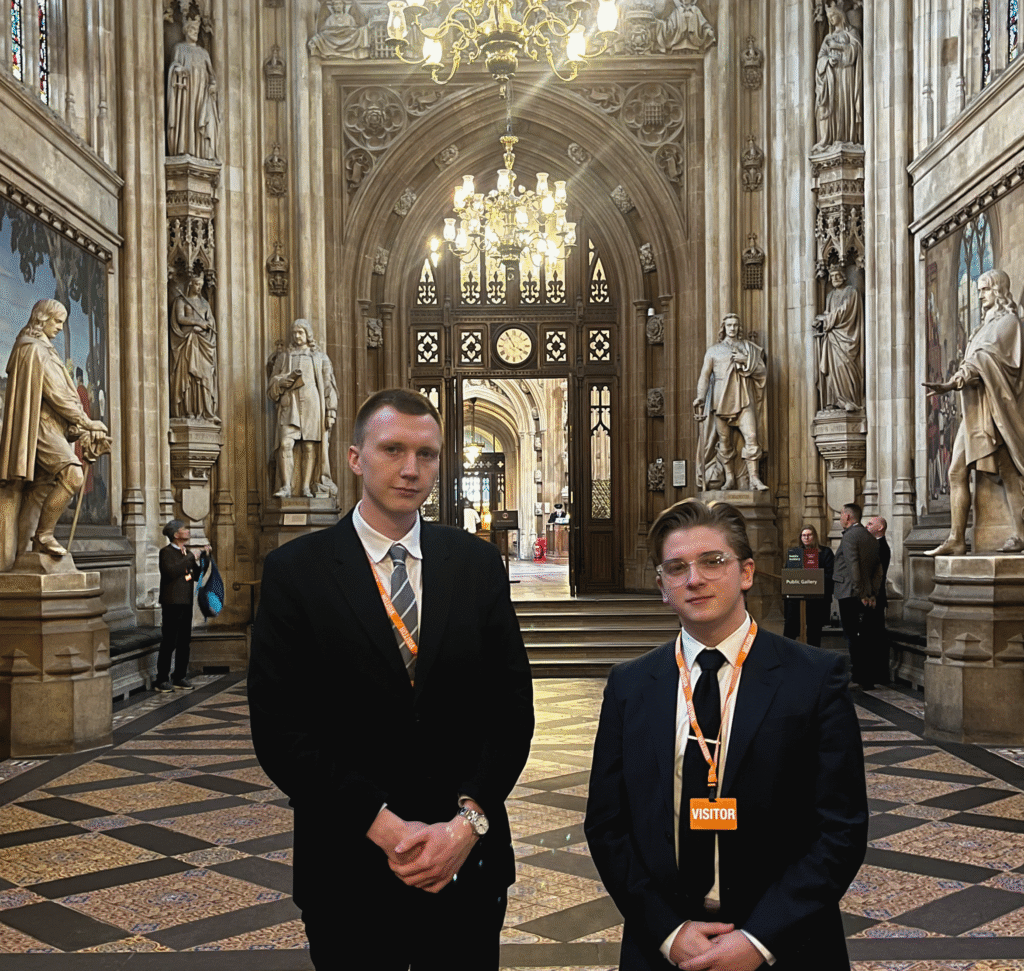
On the 19th of March, QARAS Global had the privilege of attending a session of the All-Party Parliamentary Group (APPG) on Critical Minerals at the UK House of Parliament. APPGs are cross-party groups of Members of Parliament and Peers that commit to examine pressing issues, bringing together policy-makers and the industry to inform on policy development and decision-making. The APPG on Critical Minerals specifically focuses on the UK’s current and upcoming strategies on engagement, exploration, production, and trade of minerals that are essential to technology, energy, and defence. The session was chaired by Perran Moon MP, Noah Law MP, and Baroness Northover, with Amanda van Dyke (Founder of the Critical Minerals HUB) and Jeff Townsend (Founder at the Critical Minerals Association) as guest speakers. Many other senior representatives from the sector were also present at the event. Key discussions centered around the established and emerging geopolitical dynamics in relation to critical minerals, with particular attention on vulnerabilities exposed by global dependencies. The G7 response to these vulnerability was highlighted, emphasising coordinated efforts to strengthen and diversify mineral supply chain. During the meeting, emphasis was placed on underfunding of domestic mineral exploration projects in the UK. Such underfunding leaves businesses vulnerable to foreign acquisition. It is expected that in the timeframe between now and the year 2035, the UK will see a 1,100% increase in demand for lithium. And the demand for copper will more than double. As the world undertakes a ‘green transition’, the demand for critical minerals will see a dramatical increase due to the dependency on low-carbon tech. Currently, China maintains a dominant and near-monopolistic position in the global supply chain, leaving other countries dependant on trade with China. Last year, China placed restrictions on export of some minerals, which had weakened the western automotive and defence sectors. Overview: China’s strategy on critical minerals When comparing the strategies each state has in place to secure critical minerals for themselves, it quickly becomes apparent that the long-term industrial investment approach, rather than sudden development through other means such as legislation, is the key reason how China became and stays the world’s leading producer and processor of critical minerals. The approach is simple – it is a combination of domestic mining operations and international investment into mineral assets (mines and refineries). This approach allowed China to secure access to minerals crucial for electric vehicles, defence technologies, renewable energy, electronics, fiber optics, batteries, and modern manufacturing technologies, while simultaneously allowing China to dictate the geopolitical dynamics of global critical minerals supply chains. Below are two examples of how China has used its leverage and dominance over the US: G7 and critical minerals As per G7 Critical Minerals Action Plan (2025), G7 recognises that critical minerals are essentially a foundation for the economies of the future, and are fully committed to strengthen the “cooperation with mineral-rich emerging market and developing country partners”. The plan as of 2025 is to invest into diversification of supply – meaning investing into businesses all around the world. Member states are committed to expanding mining, processing, and recycling – both domestically and in partner countries. The same strategy that China has proven successful. Ultimately, the G7’s new strategy reflects a clear contrast to the previous strategy: from having a passive stance and relying on global markets, to shaping supply chains through investments, partnerships, and policy. It evolved into a coordinated and multi-layered strategy that aims to reduce dependency on concentrated supply chains mainly because they are dominated by China, while also aiming to simultaneously strengthen resilience across allied economies. Based on current trends, the UK and allied economies are to be faced with a sharp-rising demand for critical minerals over the next 10 years. While it is more than likely that China will continue to dominate the global processing, it is important to pay attention to strategic international and domestic investments as they will secure partial control over supply chains. Frontier market: Mongolia Mongolia’s rich deposits of critical minerals places it as one of the most promising long-term sources outside of the current established supply chains. The ever-evolving mining sector of Mongolia is the driver of its economy. With more than 10,000 deposits, holding over 80 types of minerals, it makes up about 93% of total exports, about 58% of the FDI and 22.8% of the GDP – the country is on trajectory to becoming a major exporter of the same minerals that underpin the global manufacturing and energy transition. With development of the infrastructure and improvement of processing capabilities, Mongolia presents a compelling opportunity for the UK – strategic capital and partnership. By engaging early with the development projects and offtake arrangements, the UK can and will secure access to critical resources while also supporting Mongolia’s path to a prosperous and stable minerals hub. QARAS Global’s presence in the frontier markets of Mongolia, positions the company to provide the UK with access to these essential resources.
Mongolia’s Critical Minerals: Key takeaways from MiningWeek, London 2026
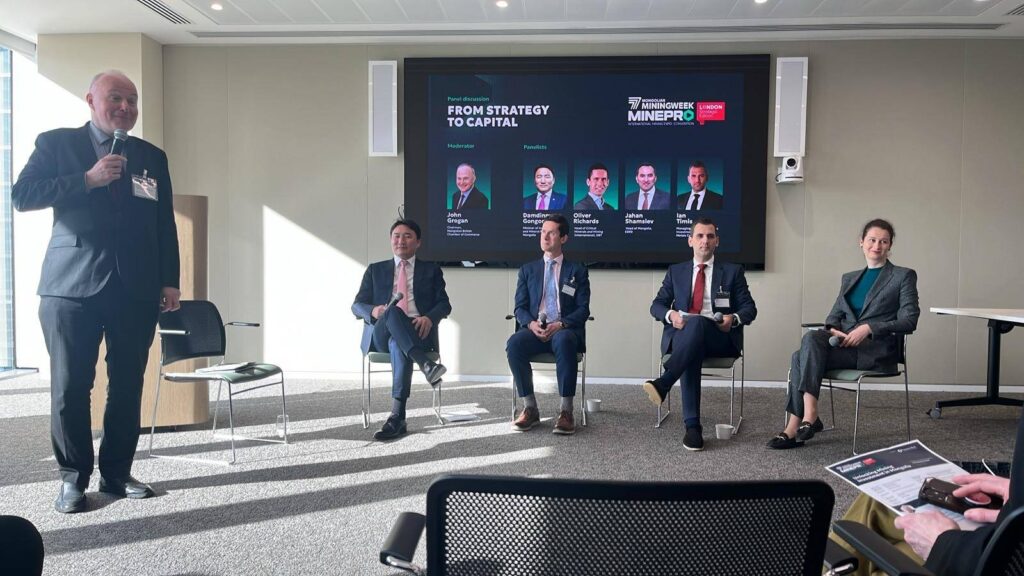
On the 24th of February 2026, industry leaders, investors, and policymakers gathered in London for MiningWeek & MinePro 2026, an event organised with Mongolia’s Ministry of Industry and Mineral Resources to attract international investment into the country’s rapidly evolving mining sector. For QARAS Global, the event was an important opportunity to engage directly with government leaders, financial institutions, and mining stakeholders while reinforcing our role as a trusted bridge between Mongolia’s mineral resources and global commodity markets. Strengthening Mongolia’s Position in Global Critical Minerals The event opened with remarks from G. Damdinnyam, Mongolia’s Minister of Industry and Mineral Resources, who outlined Mongolia’s mining policy framework and the government’s ongoing regulatory reforms. He emphasised the country’s commitment to transparency, sustainability, and long-term foreign investment. The international dimension of Mongolia’s mining partnerships was also evident. Fiona Blyth, UK Ambassador to Mongolia, attended alongside senior Mongolian and UK stakeholders, highlighting growing UK-Mongolia cooperation in mining and critical minerals development. Oliver Richards, Head of Critical Minerals & Mining International at the UK Department for Business and Trade, provided a global outlook on critical minerals supply. He highlighted the concentration risks in global supply chains and the rising demand driven by electric vehicles, clean energy technologies, and advanced manufacturing. Richards also outlined the UK’s 10-year Critical Minerals Strategy, which aims to: The strategy is supported by expanding partnerships across Central Asia, including agreements with Kazakhstan (2023), Mongolia (2024), Uzbekistan (2025), and Kyrgyzstan (2025). Sustainable Investment and the Role of International Finance Representatives from the European Bank for Reconstruction and Development (EBRD) shared their perspective on responsible mining and sustainable investment. James Lea-Cox, Head of Extractive Industries and SME at EBRD, emphasised that mining aligned with international environmental and social standards can be a powerful driver of economic development and the green transition. EBRD-supported projects must meet strict requirements, including: -Environmental and social risk management-Alignment with the Paris Agreement-Emissions reduction strategies-Biodiversity protection-Responsible waste management-Transparent stakeholder engagement Natalia Lacorzana, Director of Natural Resources at EBRD, outlined the bank’s investment priorities for 2024-2028, focusing on decarbonisation, digital innovation, and ESG improvements within mining operations. She also introduced initiatives such as the Junior Mining Programme (JUMP), designed to prepare early-stage mining projects for institutional investment. Meanwhile, Rene van Hell, EBRD Board Director representing Mongolia, highlighted Mongolia’s significant potential in critical minerals and rare earth elements, noting the bank’s commitment to acting as a long-term sustainable investment partner in the country. Panel discussions under the theme “From Strategy to Capital” explored how mining projects can connect with institutional capital, strengthen ESG standards, and expand international partnerships. The event also facilitated project presentations, investor discussions, and B2B meetings between mining companies, financial institutions, and industry participants. Mongolia’s Mineral Advantage Mongolia holds one of the world’s most diverse mineral endowments, with more than 8,000 identified deposits including coal, copper, fluorspar, gold, iron ore, rare earth elements, tungsten, uranium, and zinc. Geographically, Mongolia’s proximity to China, the world’s largest commodity consumer, combined with improving logistics links to Europe and Northeast Asia, makes it a highly competitive sourcing location for global commodities and critical minerals. Where does QARAS Global Fit? Unlocking Mongolia’s mineral potential requires more than opportunity. It requires trusted local access and operational expertise. QARAS Global is a Mongolia and Central Asia-focused commodities trading company with over 15 years of in-country presence. We manage trade facilitation, logistics, and compliance directly from Mongolia. Our long-standing relationships with mine owners, geologists, testing laboratories, logistics operators, and domestic regulatory agencies allow our partners to access Mongolia’s mineral resources with significantly reduced operational and commercial risk. From our bases in Ulaanbaatar and London, we bridge frontier-market opportunities with international trade in bulk commodities, energy resources, and critical minerals. Let’s work together Events like MiningWeek & MinePro demonstrate the growing global interest in Mongolia’s mining sector. As the industry evolves and international capital seeks reliable partners on the ground, QARAS Global is well-positioned to facilitate responsible, transparent, and efficient mineral trade. If you are exploring sourcing opportunities, investment partnerships, or project collaboration in Mongolia and Central Asia, we welcome the conversation. Contact QARAS Global to explore how we can support your next venture in the region.
Mongolia’s Fluorspar Is Flowing East. Europe Should Wake Up.
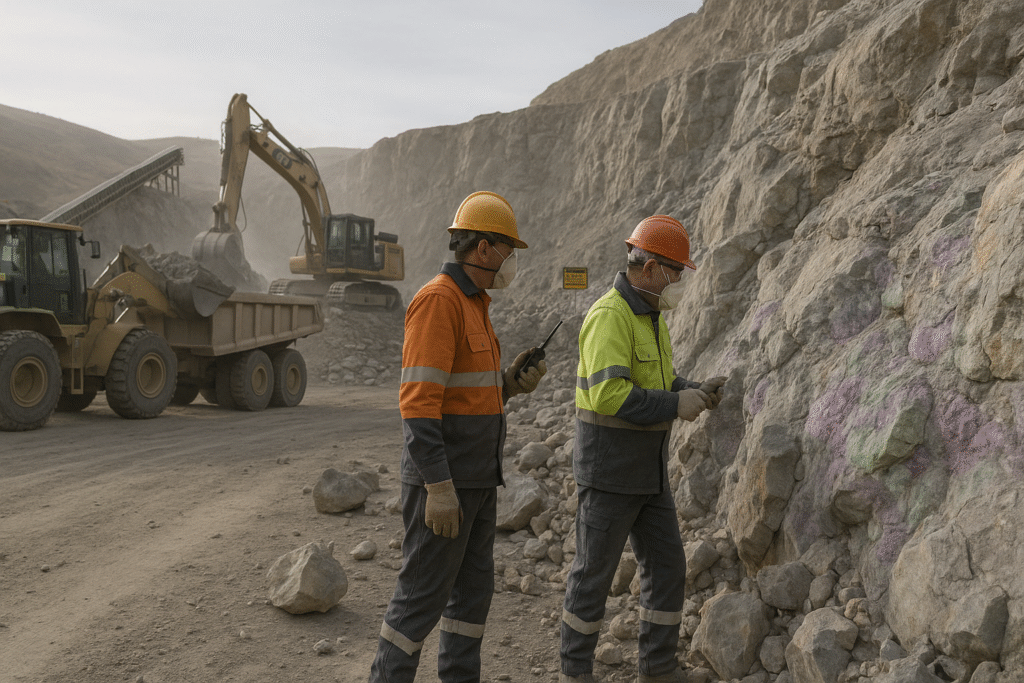
Mongolia has quietly become one of the world’s pivotal suppliers of fluorspar, the mineral feedstock for hydrofluoric acid used across batteries, semiconductors, aluminium and steel. Yet almost all of Mongolia’s tonnage still travels east to China and north to Russia. For an EU that has declared fluorspar “critical” and is scrambling to de-risk materials supply chains, this is a blind spot hiding in plain sight. A critical mineral hiding in everyday tech Fluorspar, sold as acid-grade (>97% CaF₂) and metallurgical-grade, is the starting point for hydrofluoric acid, the precursor to most fluorine-containing chemicals. Those chemicals underpin everything from chip etching and refrigerants to aluminium smelting (via aluminium fluoride) and the electrolytes that make lithium-ion batteries work. In Europe, acid-grade fluorspar feeds domestic HF plants and aluminium fluoride producers; EU demand is measured in the hundreds of thousands of tonnes per year. Mongolia’s surge – and where it goes Global fluorspar output hovered around 9.5 million tonnes in 2024; the US Geological Survey noted that 2023’s increase was driven primarily by Mongolia ramping up production. But the trade routes are lopsided: in 2021, fully 88% of Mongolian fluorspar exports went to China (58%) and Russia (30%), with only small volumes reaching other markets. In 2024, fluorspar (≤97% CaF₂, HS 252921) ranked among Mongolia’s top merchandise exports by value, at roughly USD 287 million – evidence of a growing, commercialised supply base. Europe remains a price-taker Despite Spain’s Minersa operating Europe’s largest fluorspar mine, the EU as a whole is structurally short: there are no EU member states that are net exporters of fluorspar, and the bloc is the world’s largest importer, drawing much of its supply from Mexico, South Africa, China and Vietnam. That leaves European HF and aluminium-fluoride producers exposed to external price swings and export policies – some of which have tightened in recent years. Brussels has a plan – just not yet for fluorspar The Critical Raw Materials Act (CRMA) sets targets to mine 10%, process 40% and recycle 25% of the EU’s needs domestically by 2030. Recent batches of CRMA “strategic projects” have prioritised battery metals and rare-earths across and beyond the EU. Sensible – but they don’t resolve Europe’s near-term dependency on imported acidspar and metspar. Fluorspar is on the EU’s 2023 critical list; giving it project-level attention is the logical next step. Why Mongolia matters to Europe Mongolia’s supply is real, large, and getting more investable: The strategic risk of doing nothing Europe’s HF chain, and by extension its semiconductor chemicals, refrigerants, EV electrolyte salts and aluminium smelting, cannot function without reliable acidspar. With Chinese and Russian import channels absorbing most Mongolian tons, Europe is left competing in a thinner pool fed by Mexico, South Africa and Asia. In any future trade friction or export curbs, price spikes and allocation risk would again cascade through EU industry, just as they did with other materials in recent years. The bottom line Fluorspar sits at the base of value chains Europe says it cannot afford to lose. The EU already imports the majority of what it uses, and Mongolia is one of the few places ramping up supply, just not for Europe. With the CRMA machinery now in motion, there is a narrow window to diversify and de-risk. If Brussels is serious about strategic autonomy, fluorspar needs to move from a line on a critical list to a funded, contracted, westbound reality. Sources: European Commission, “Critical raw materials” (2023 list: includes fluorspar). USGS, Mineral Commodity Summaries: Fluorspar (2024/2025). WTO Tariff & Trade Data (Mongolia export composition; HS 252921 value, 2024). U.S. Department of Labor, Supply Chain Study on Child Labor in the Fluorspar Industry in Mongolia (2024). European Environment Agency/ETC report on fluoropolymers (acid-grade fluorspar → HF). Reuters, EU CRMA strategic projects and 2030 targets. MONTSAME, “Mining Sector Requests Extension on New Royalty Calculation Method” (Aug 29, 2025). Erdenes Critical Minerals (ex-Mongolrostsvetmet): mines, grades, Bor-Undur processing. LIFE Programme project note: EU demand (~755 kt/yr) and importer status.
Mongolia’s Exchange-Linked Royalties: What Buyers Should Expect
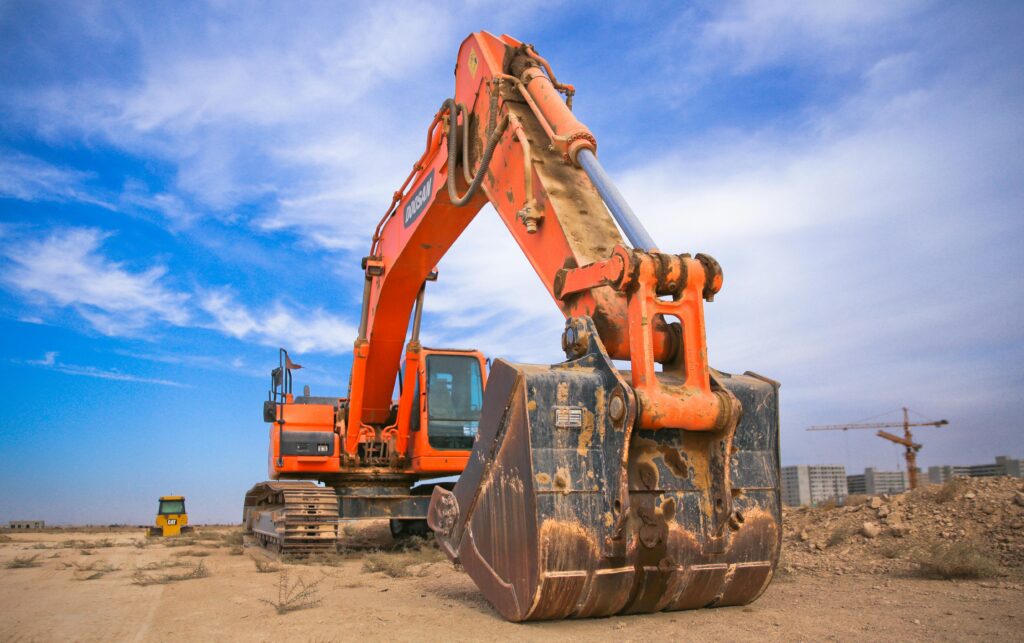
Montsame reports that Mongolia has shifted its Mineral Resource Royalty (MRRL) calculation to use trading prices from the Mining Commodity Exchange or the Mongolian Stock Exchange, replacing international reference prices. The change aims to align royalties with actual realised prices after miners argued prior assessments were on average 22.6% above market for products such as enriched coking coal, fluorspar 54.3% and iron ore. The policy applies through year-end; companies selling at least 25% on the exchange must value all output at MSE prices. Officials project about MNT 100 billion in additional budget revenue, while the industry has asked for more time and flagged risks of double MRRL collection. QARAS Insights: From our Ulaanbaatar position, we see this as a transparency step that will influence term-sheet design for fluorspar buyers. Exchange-linked royalty bases mean fewer disputes over “reference vs realised” pricing on CaF2 cargos, but transition volatility is likely while methodologies and exchange liquidity settle. We are advising counterparties to: link royalty pass-throughs to MSE settlement prints; include price-adjustment language for assays and moisture so declared value and customs value reconcile cleanly; stipulate evidence of MRRL payment receipts in the shipping docs pack; and add a specific clause guarding against double MRRL in multi-party chains. Operationally, the 25% on-exchange threshold may nudge sellers toward periodic auctions, which affects shipment pacing and indexation windows. For fluorspar, this could tighten alignment between the domestic declared value and the FOB basis, improving bankability of LCs and reducing valuation haircuts. We handle mine-gate sampling and third-party verification, align USD/MNT conversions with exchange timestamps, and coordinate rail and road routes to Chinese borders or alternative EU-bound corridors, keeping compliance central to every step. Our role remains the same: direct access to mine owners, transparent testing and logistics, and structuring that turns Mongolia’s policy changes into predictable, compliant procurement for global buyers. – Original Article: https://montsame.mn/en/read/376915
Mongolia’s Fluorspar & Copper Attract Western Partnerships
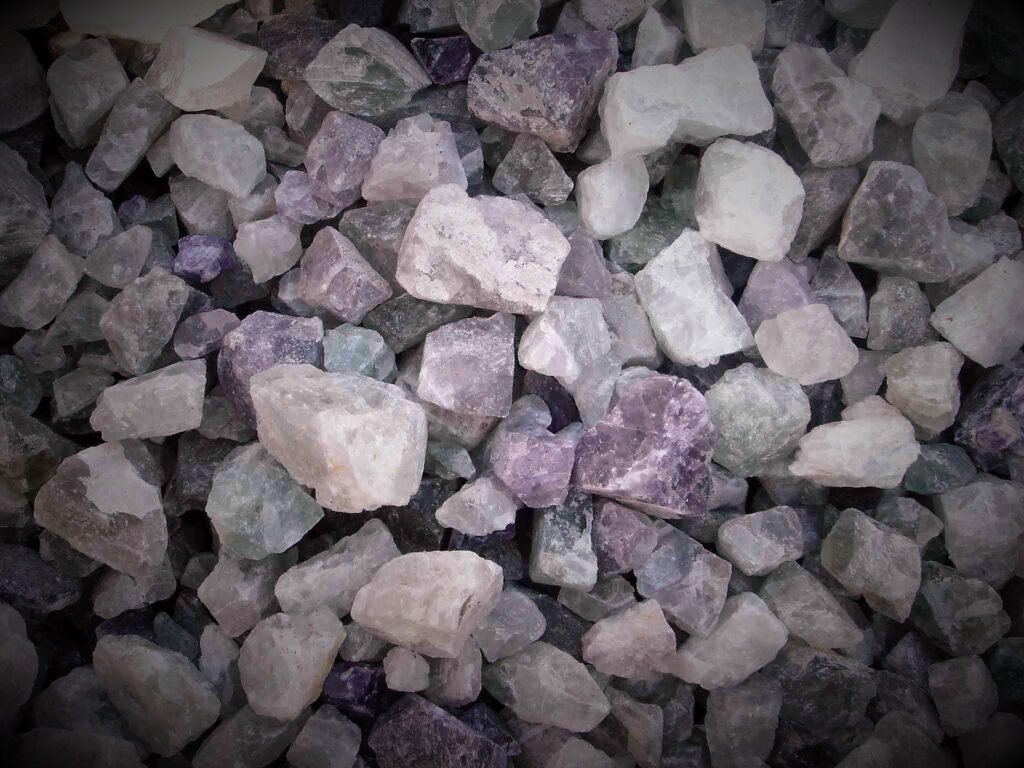
Benchmark Minerals noted rising Western interest in Mongolia’s fluorspar and copper amid efforts to diversify supply chains beyond China. These minerals, vital for electronics, renewables, and steel, are increasingly viewed through a strategic lens. QARAS Insights: From our Ulaanbaatar base, we assist international partners in securing quality fluorspar volumes with transparent, compliant structures. We facilitate direct access to mine owners, manage testing andlogistics, and elevate Mongolia as a credible, stable alternative in global supply chains. Our role: turning Mongolia’s potential into reliable procurement for global markets. Original Article: https://source.benchmarkminerals.com/article/mongolias-fluorspar-copper-draws-western-partnerships
Mongolia’s Critical Role in the Global Energy Transition
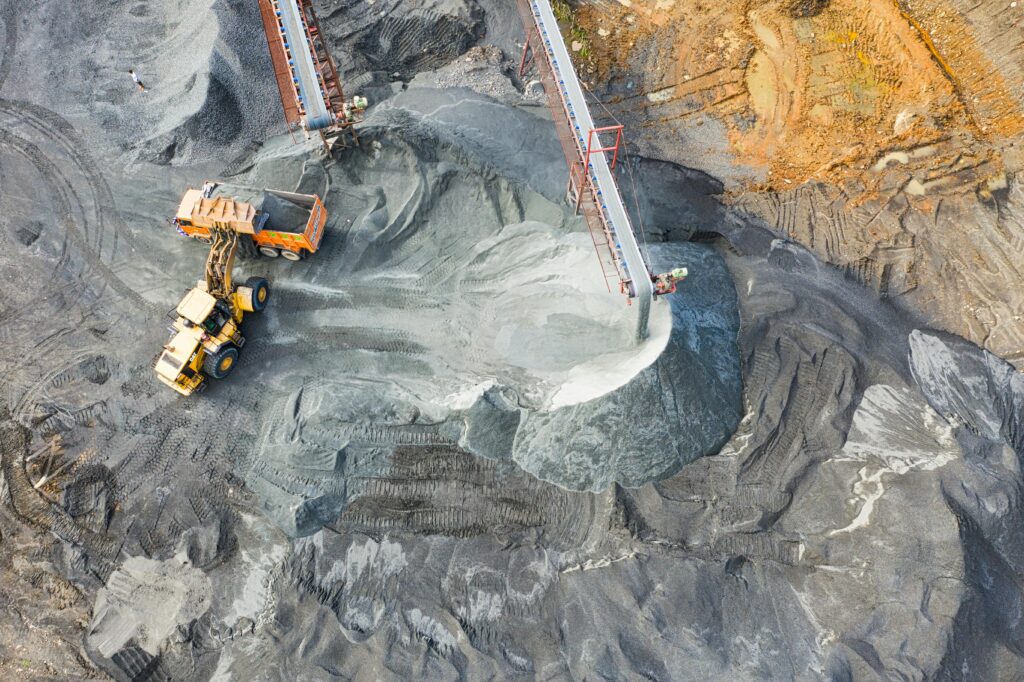
Mongolia’s rich endowment of copper, uranium, fluorspar, and rare earths makes it a pivotal player in the global shift to clean energy, as highlighted in this latest article by the Lowy Institute. Minerals already constitute more than 90% of Mongolia’s exports, but the nation has underscored its commitment to becoming a leading player in rare earth elements (REEs) and critical mineral production by signing a MoUs with Korea and the U.S. to advance secure and resilient critical mineral supply chains. In October 2023 France signed a $1.7 billion landmark uranium mining deal with the Mongolian government. The demand for Mongolia’s energy transition minerals provides a critical opportunity and is leading the nation’s government to explore regulatory reforms that will expedite project licensing and permits, potentially clearing the way for Mongolia’s significant role in the global energy transition. QARAS Expertise: With two decades of in-country presence, QARAS understands that Mongolia’s true advantage lies not just in resources, but in equitable, well-structured partnerships. We navigate policy, maintain mine-level to government-level connectivity, and understand infrastructure realities. As demand grows for minerals critical in batteries, EVs, and clean tech, our ability to source responsibly and efficiently ensures clients benefit from Mongolia’s emerging role in the energy transition. Original Article: https://www.lowyinstitute.org/the-interpreter/mongolia-s-critical-role-global-energy-transition
India Trials Coking Coal Imports from Mongolia, by Air!
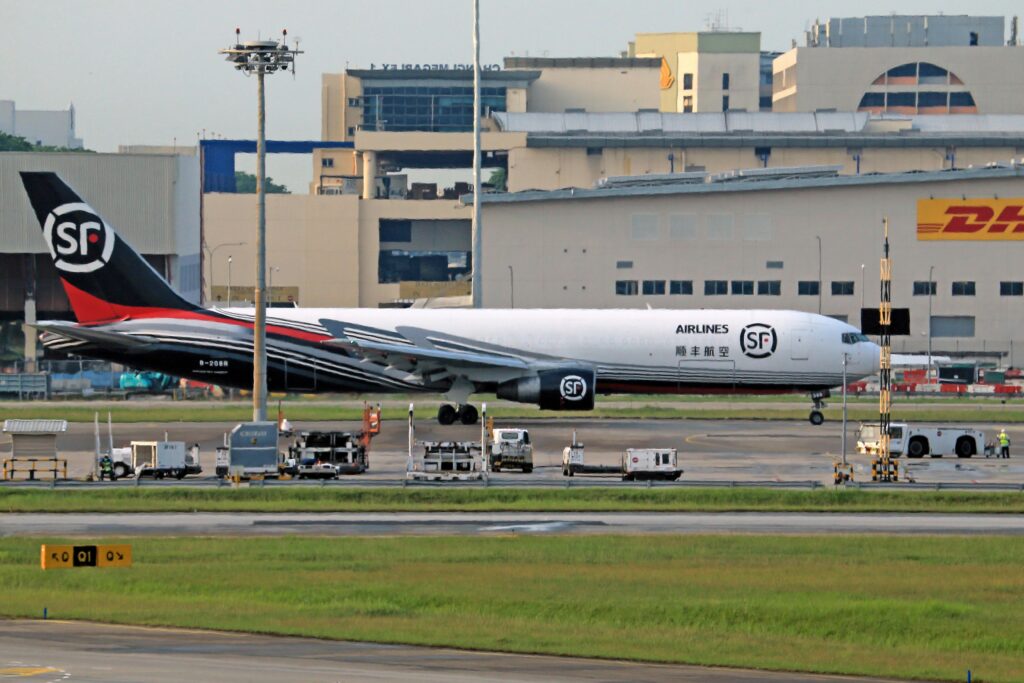
A Reuters report reveals that India’s SAIL piloted a 1‑tonne coking coal shipment from Mongolia, proposing air freight to test quality quickly, with plans for a 75,000‑ton shipment depending on results. This move reflects India’s strategy to diversify away from traditional sources like Australia, and Mongolia’s increase in market reach for coal exports. QARAS Perspective: This trial underscores Mongolia’s growing recognition as a cost-competitive supplier of high-grade coking coal. Logistics may be complex, but QARAS’s deep expertise in cross-border routing, rail, road (or even air) means we can deliver fast-sample shipments and scale to full contracts into China, and regionally. Our in-country network reduces trial risks and accelerates path-to-contract for clients. Original Article: https://www.reuters.com/world/china/indias-sail-import-trial-coking-coal-cargo-mongolia-maybe-by-air-2025-05-06/